


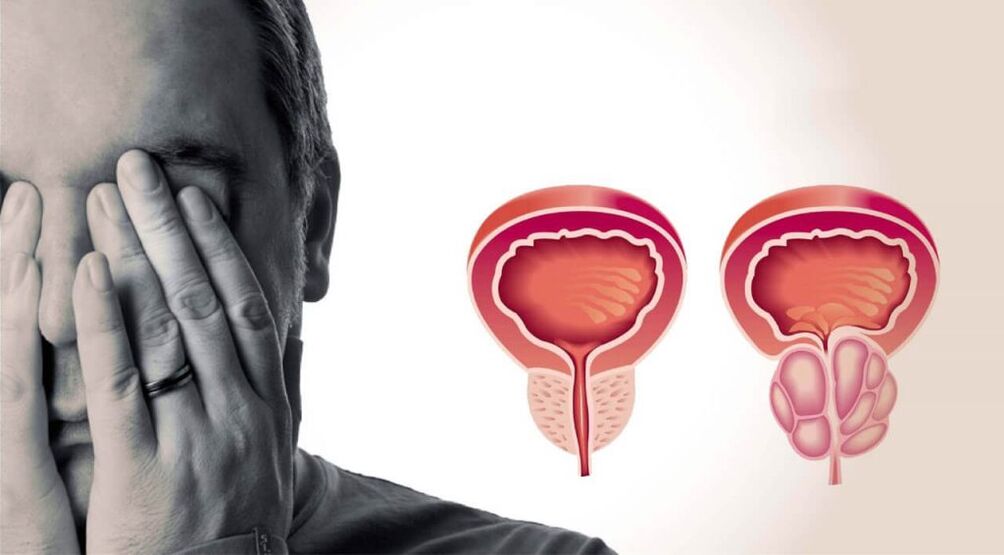
Prostatitis is an inflammatory process that develops in the prostate gland in men.This disease has unpleasant symptoms and is fraught with the development of complications, one of which is infertility.But the capabilities of modern urology make it possible to determine prostatitis based on clinical manifestations and the results of the examination, prescribing all the necessary diagnostic and treatment procedures in a timely manner and preventing complications.
Factors leading to illness
The causative agent of prostatitis is microbial agents: Pseudomonas aeruginosa, staphylococcus, Escherichia coli, etc. But the following predisposing factors can provoke the development of an acute inflammatory process or relapse of chronic prostatitis:
- decreased immunity;
- hypothermia;
- injuries of the genitourinary organs;
- stress;
- drinking alcohol and eating too spicy foods;
- congestion in the pelvic area;
- constipation;
- smoking, chronic intoxication of the body with destructive substances;
- sedentary lifestyle;
- the presence of foci of chronic infection;
- venereal diseases.
Prostatitis can occur in acute and chronic forms.Often men refuse to contact specialists when characteristic complaints appear:
- painful urination;
- impurities of pus, mucus in the urine;
- pain in the pubic and perineal area, which intensifies during urination and defecation, as well as during sexual intercourse;
- leakage of urine in a thin stream;
- increase in body temperature.
All these signs indicate the development of an acute inflammatory process in the pelvic area.But only an experienced specialist knows how to identify prostatitis in a man and prevent dangerous complications.To do this, it is necessary to use all the capabilities of modern laboratory and instrumental diagnostics.Based on the examination, which includes ultrasound of the prostate and rectal examination, it is possible to make an accurate diagnosis and determine further treatment tactics.
Types of disease, signs
It is important not to waste time and begin treatment as soon as the first manifestations of the disease are noticed.And they can be combined with a fading interest in intimacy, insomnia, internal fears and worries, as well as characteristic symptoms of diseases that often lead to impotence (diabetes mellitus, decreased testosterone levels, vascular disorders).The causes of prostatitis should be understood by specialists.
Acute and chronic prostatitis
Acute prostatitis is manifested by general intoxication with the appearance of a febrile syndrome and elevated body temperature.Severe symptoms of prostatitis appear: pain in the groin, rectum and perineum.A man notes frequent urges and pain after urination.It can be difficult to empty the bladder, and acute urinary retention may sometimes occur.Often whitish purulent discharge appears from the urethra.Sexual dysfunction often occurs and libido decreases.
Chronic prostatitis is not as pronounced.It occurs in waves, followed by long periods of remission.Even minor hypothermia or a cold can trigger a relapse.Prostatitis is diagnosed by clinical manifestations and complaints of the patient, as well as by rectal examination, during which swelling and severe pain of the gland are detected.
Bacterial prostatitis
Young and middle-aged men often have chronic diseases of the genitourinary system, including urological disorders of a bacterial nature that arise against the background of promiscuity or poor treatment of infectious and inflammatory processes of the kidneys, bladder and prostate.This creates an unfavorable background and can contribute to the deterioration of a man’s sexual health.
Bad habits have an extremely negative impact on libido and erection.Alcohol abuse and smoking reduce the tone of the vascular walls and lead to impaired circulation of the genitourinary organs.To solve the problem of poor erection, it is necessary to take a comprehensive approach to this issue, select antibiotic treatment and eliminate all hidden urogenital infections.
Abacterial prostatitis
This type of prostatitis affects most men.Chronic prostatitis of non-bacterial etiology is called chronic pelvic pain syndrome, which occurs due to a number of causes and predisposing factors.
- Urinary reflux.Due to the penetration of urine into the prostate tissue, an inflammatory process develops.This happens due to high urine pressure during bladder emptying (when seminal fluid stagnates in the urinary tract), changes in the ducts of the prostate gland.
- Inferior sexual intercourse.
- Long-term sexual abstinence.
Chronic pelvic pain syndrome manifests itself as a long-term painful syndrome with localized pain in the pelvis, lower back, and perineum.A man feels pain during urination, decreased libido, and an increased urge to empty the bladder.In the chronic stage of the disease, there are no signs of inflammation in the ejaculate, urine and prostate secretions.
This type of chronic prostatitis is treated with antibiotics, alpha-blockers, and anti-inflammatory drugs.Hormonal agents and herbal anti-inflammatory preparations are used.Treatment with medications lasts up to 4 weeks.
The following effective treatment methods are used simultaneously with the use of medications:
- prostate massage course;
- relaxation techniques;
- influence on biologically active points in the body (acupuncture);
- surgical treatment (if the above methods are ineffective).
Asymptomatic prostatitis
Asymptomatic prostatitis has no obvious manifestations.Men sometimes have complaints of dull aching pain in the pubic area, lower back, and urinary problems.
The disease has the following predisposing factors:
- regular hypothermia;
- untimely urination;
- sexual abstinence;
- physical inactivity;
- urethritis, pyelonephritis;
- smoking, alcoholism.
During an exacerbation, the erased signs of prostatitis become more obvious.Pain and urination problems worsen.
Cost of prostatitis diagnostic services
In various clinics you can quickly undergo a complete examination and assess the condition of a man’s genitourinary system.Professional specialists know exactly how to cure prostatitis and help the patient cope with the unpleasant symptoms of the disease.The clinics are equipped with innovative equipment that allows you to obtain complete, reliable information about the condition of the prostate gland and nearby organs.